Cold, Hard Truth: How Ice Actually Makes or Breaks Every Drink You Pour
There's a moment every home bartender knows well. You've sourced a solid bottle, measured carefully, maybe even chilled your glass ahead of time. You take a sip — and it's just... fine. Not bad, but not the kind of drink that makes someone put down their phone and say, what is this? Nine times out of ten, the answer isn't the spirit. It's the ice.
Ice is the one ingredient that touches every single cocktail you'll ever make. It chills, it dilutes, it controls texture, and it affects flavor release in ways most people don't think about until they start noticing something's off. Here's what's actually happening inside your glass — and how to fix it.
The Science Is Simpler Than You Think
Every cocktail involves some degree of dilution. That's not a flaw — it's a feature. Water opens up a spirit's aromatics, softens alcohol burn, and integrates the other ingredients. The question isn't whether your drink will dilute; it's how fast and how much.
Ice controls dilution through two main factors: surface area and temperature. A small, hollow freezer cube has a ton of surface area relative to its mass. It melts fast, dumps water into your drink quickly, and because it started out warmer (most home freezers hover around 0°F, but standard ice trays produce inconsistent results), it doesn't chill efficiently before it's already watering things down.
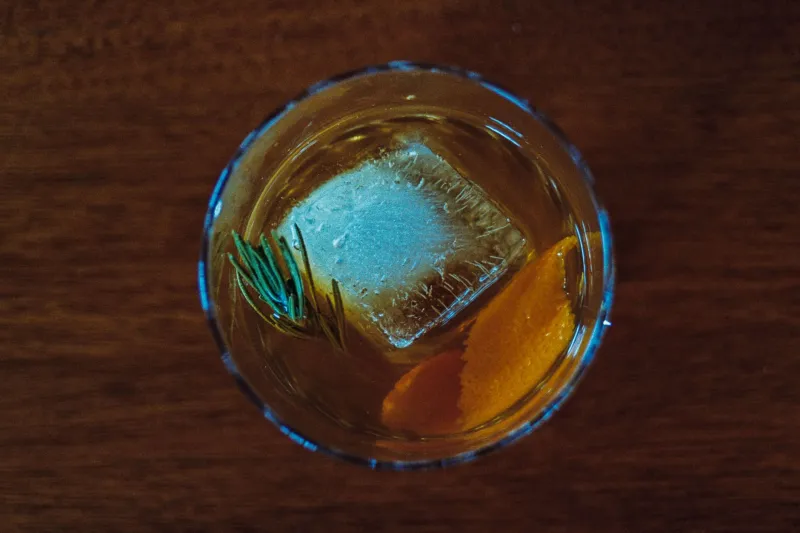
A large-format cube — say, a 2-inch square — has far less surface area relative to its volume. It chills your drink aggressively and melts slowly, giving you a longer window where the drink stays cold without turning into a puddle. That's why every serious cocktail bar drops a single big rock into an Old Fashioned instead of filling the glass with standard cubes.
Why Freezer-Burned Ice Is Quietly Ruining Your Best Bottles
Here's a thing nobody talks about enough: ice absorbs odors. Your freezer is basically a flavor graveyard — last month's leftover lasagna, that open box of baking soda, whatever's been in there since 2022. Standard ice trays sit open or loosely covered, and those cubes soak up every ambient smell in your freezer over time.
When you drop freezer-burned ice into a glass of good bourbon, you're not just getting dilution — you're getting a subtle off-flavor that muddies everything you paid for. It's like brewing a great pour-over coffee with slightly funky water. The source matters.
The fix is easy: use ice quickly after it's made, store finished cubes in a sealed zip-top bag, and replace your ice regularly. If your cubes have a white, frosty coating or smell even slightly off when you hold them up to your nose, toss them.
Matching Ice to the Cocktail
Not every drink calls for the same ice, and this is where home bartenders can really level up their pours.
Large cubes (2-inch format): These are ideal for spirit-forward, stirred cocktails — your Old Fashioneds, Negronis, Manhattans, and Scotch on the rocks situations. The slow melt means the drink stays cold for 20-30 minutes without losing its character. You want to sip these drinks, not chug them, and large-format ice supports that pace.
Ice spheres: Spheres have even less surface area than cubes, making them the slowest-melting option available. They look spectacular in a lowball glass and work beautifully for premium sipping whiskeys or a clean mezcal presentation. They're also a great conversation starter when you're entertaining.
Standard cubes (used correctly): Shaken cocktails — your Margaritas, Daiquiris, Whiskey Sours — actually need fast dilution and aggressive chilling. The shaking process itself controls how much water enters the drink, and standard cubes or even slightly smaller ice works well here. The key is shaking hard for the right amount of time (10-15 seconds) and double-straining into a chilled glass.
Crushed ice: This is the move for Tiki drinks, Mint Juleps, Swizzles, and anything built in a highball with a lot of juice. Crushed ice chills immediately and dilutes quickly, which is exactly what these drinks need — they're designed to be consumed fast and cold, and the dilution is part of the recipe. A Lewis bag and mallet will run you about $15 and makes crushed ice in about 30 seconds.
Affordable Ways to Upgrade Your Ice Game
You don't need to spend a fortune to get noticeably better ice at home.
Silicone mold trays for large cubes or spheres start at around $10-15 on Amazon. Brands like Tovolo and Ticent make solid options that are easy to find and hold up well over time. Fill them with filtered water for cleaner-tasting ice.
Clear ice is the next step up. The cloudy appearance in standard home ice comes from trapped air and impurities that freeze outward as the water solidifies. Clear ice is denser, melts even more slowly, and looks genuinely impressive. You can DIY it with an insulated cooler method (fill a small cooler halfway, leave the lid off, and freeze — the ice grows from the top down, pushing impurities to the bottom, which you then cut away). It's a bit of a project, but the results are real.
If you're serious about entertaining, countertop clear ice makers have come way down in price. Units from brands like Luma Comfort or GE Profile Opal sit on your counter, produce clear or nugget ice in a few hours, and are genuinely useful if you host regularly. Expect to spend $150-$400 depending on the model and output. For anyone who throws cocktail parties more than a few times a year, it pays for itself in the experience you're delivering to guests.
The One Change That Pays Off Immediately
If you do nothing else after reading this, do this: pick up a two-inch silicone cube tray, fill it with filtered water, and use those cubes exclusively for your next spirit-forward drink. Compare it to the same pour over standard freezer ice. The difference in how long the drink stays cold, how it tastes at the halfway point, and how it finishes is not subtle.
The spirits in your home bar deserve better than whatever's been sitting in an open tray next to last week's leftovers. Good ice isn't a luxury detail — it's the foundation every cocktail is built on. Get that right, and everything else you've already invested in starts to actually show up in the glass.