Guests in 30 Minutes? Here's How to Make Your Home Bar Look Like You Never Stopped Planning
The text comes in around 5:30 PM. "Hey, we're heading your way — see you at 7?"
You glance at your bar cart. There's a half-used bottle of gin, some flat tonic, a lime that's seen better days, and a dish towel you definitely meant to put away three days ago.
This is fine. This is totally fixable. Here's how to spend the next 30 minutes turning that scene into something your guests will genuinely compliment — without breaking a sweat or running to three different stores.
The First Five Minutes: Clear, Clean, Curate
Before you touch a single bottle, do a fast sweep. Remove anything that doesn't belong on the bar — mail, phone chargers, random mugs, that dish towel. A bar surface that's clean and uncluttered already looks intentional, even if nothing else has changed.
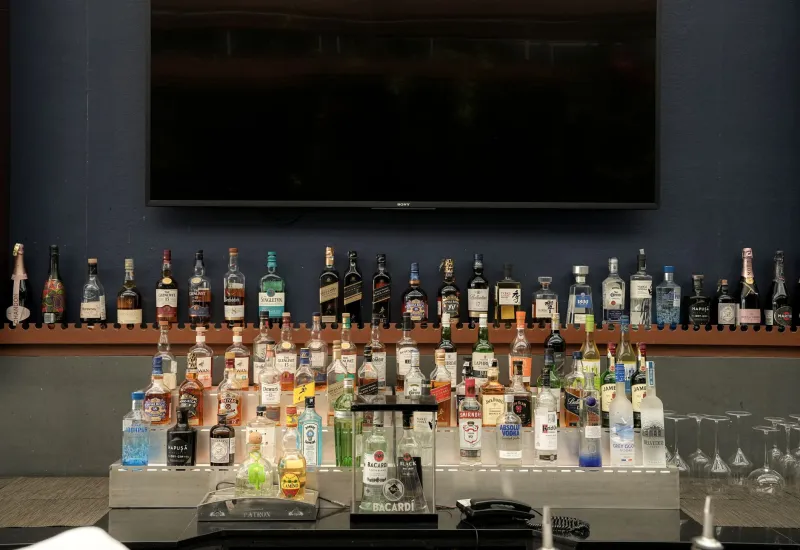
Next, pull out only the bottles you actually want to serve tonight. Three or four good options, arranged in a loose grouping, look more considered than a crowded lineup of everything you own. Put the rest away. Fewer bottles with space between them read as curated. A wall of bottles reads as chaotic.
Wipe down the surface. Seriously, just wipe it down. A clean bar signals that someone cares about this space, and that impression lands before a single drink is poured.
Minutes 5–15: The Fast Garnish Station
Garnishes are where your bar goes from "drinks are available" to "someone thought about this." The good news is that a fast garnish setup requires almost nothing in terms of time or money.
Here's your quick-prep lineup:
Citrus wedges and wheels. Cut a lime and a lemon into wedges right now. Do it even if you're not sure what you're making. Citrus goes with almost everything and makes any drink look finished. Arrange them loosely in a small bowl or on a cutting board.
Herbs if you have them. A few sprigs of mint or a small handful of fresh rosemary from a grocery store bunch costs almost nothing and smells incredible when guests walk in. You don't even need to use them in every drink — just having them visible sets a tone.
Olives or cocktail cherries. If you have a jar of either in the fridge, put them in a small dish. That's it. Two seconds of effort, significant visual payoff.
You're not building a five-star garnish tray here. You're creating the impression of thoughtfulness, and these three elements do that reliably.
Minutes 15–22: The Spirit Rotation Trick
Here's a move that experienced home bartenders use all the time: anchor your bar around one spirit that you know well and feel confident mixing with, then add one bottle that looks interesting but doesn't need to be the star.
If you're a gin person, gin is your anchor. Put it front and center. Add a bottle of amaro or a nice vermouth alongside it — something with a distinctive label that invites questions. When a guest asks "what's that?" you have an easy, genuine answer, and suddenly you're guiding the experience instead of just reacting to requests.
If your collection is limited, don't apologize for it. Lean into what you have. "Tonight I'm doing variations on a gin and tonic" is a completely confident thing to say, and guests almost always appreciate a host who has a point of view.
Minutes 22–27: Set Up for Flow
The physical layout of your bar matters more than people realize. When everything is in reach and in a logical order, you look like you know exactly what you're doing — because you do.
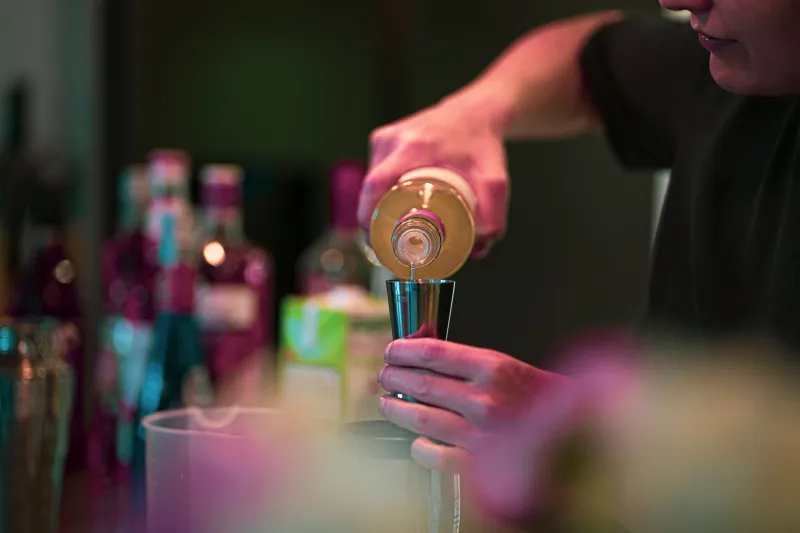
Place your tools on the left if you're right-handed: jigger, bar spoon, cocktail shaker or mixing glass. Spirits in the center. Mixers, ice, and glassware on the right. This creates a natural left-to-right workflow that keeps you moving efficiently and looking calm.
Put your glasses out in advance. Stemmed glasses on the counter, a stack of rocks glasses nearby, whatever fits your plan for the night. Pre-set glassware is one of those details that quietly signals preparation without being showy about it.
Fill your ice bucket or ice bowl now and cover it with a clean cloth. You want ice ready and accessible the moment the first drink order comes in. Running to the freezer mid-pour breaks the spell.
Minutes 27–30: The Mental Reset
This last stretch isn't about the bar — it's about you.
Decide on two drinks you're going to offer when guests arrive. Just two. A welcome drink that you can make quickly for everyone at once, and a second option for people who want something different. Having a pre-decided menu in your head — even an informal one — means you're not improvising under pressure when six people are looking at you expectantly.
For the welcome drink, think something batch-friendly or fast: a simple gin and tonic with your fresh garnish, a quick Aperol spritz, a whiskey highball. Something you can make four of in under three minutes.
For the second option, pick something slightly more interesting — a stirred drink, maybe, or something that showcases that interesting bottle you put out. This gives guests a sense of range without requiring you to run an entire cocktail menu.
The One Thing You Don't Need to Do
You don't need to explain your setup. You don't need to apologize for not having a specific bottle someone requests, and you don't need to narrate your process as you make drinks.
Confident hosts redirect attention toward the experience. "I think you're going to love this" does more for the room than "sorry, I don't have that, but I have this."
Your bar looks good. Your garnishes are out. Your ice is ready. Your glasses are set. You've got a plan.
That's genuinely all it takes — and now you've got a few minutes to spare.