Your Drinks Are Too Warm and You Probably Don't Realize It
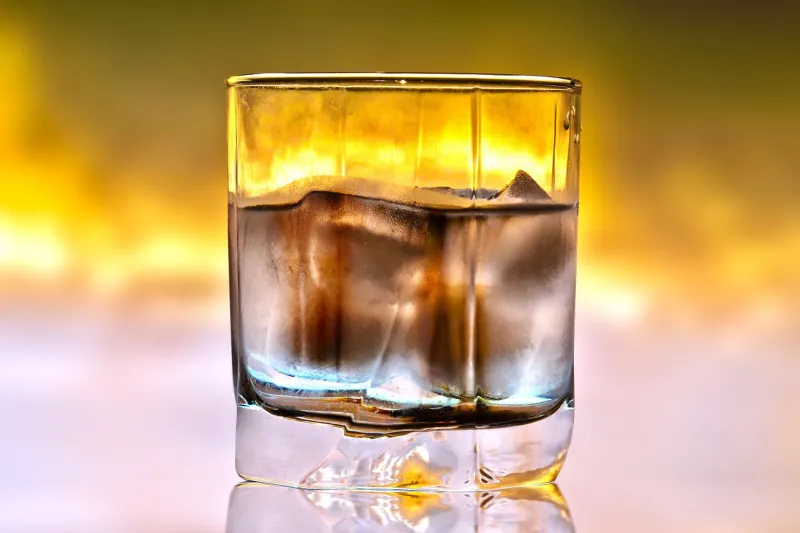
You've sourced good spirits. You've got quality mixers. You even bought a decent jigger. But your cocktails still don't quite hit the way they do at a bar you love, and you can't figure out why.
Here's a strong candidate: your drinks are warmer than they should be. Not room temperature warm—just a few degrees above ideal. That's enough to flatten carbonation, dull aromatics, and take the crispness out of something that should feel alive in the glass.
Temperature control is one of those things that professional bars obsess over and home bars almost universally ignore. The good news? Fixing it doesn't require commercial equipment. It just requires understanding where heat is sneaking in.
Why Temperature Matters More Than You Think
Cold doesn't just make drinks refreshing. It physically changes how we perceive flavor. Sweetness registers more intensely at warmer temperatures, which means a drink that's too warm can taste cloying. Alcohol's bite softens at colder temps, which is why a well-chilled spirit-forward cocktail feels smooth where the same drink at 65°F feels harsh.
Carbonation is especially vulnerable. CO2 stays dissolved in liquid more readily when it's cold. A warm Highball or sparkling cocktail goes flat faster—sometimes noticeably so within just a couple of minutes of pouring.
For shaken drinks, the target temperature after proper shaking is typically around 23–25°F at the surface of the liquid. For stirred drinks, slightly warmer—around 28–30°F. These aren't bar trivia numbers; they're the range where the flavors actually behave the way the recipe intends.
The Room-Temperature Glass Problem
This is probably the single most common temperature mistake at home bars, and it's also the easiest fix.
When you pour a cold cocktail into a warm glass, the glass immediately starts pulling heat into the drink. A coupe or rocks glass sitting on a countertop in a warm kitchen can be anywhere from 68 to 75°F. Your cocktail might come out of the shaker at 24°F. That gap gets closed quickly, and your drink pays the price.
Bar programs chill their glassware routinely—either by storing glasses in a lowboy refrigerator or by filling them with ice and water while they prep the drink, then dumping it right before pouring.
For home use, the freezer method works great. Put your coupe or martini glasses in the freezer at least 20 minutes before you plan to use them. For rocks glasses, fill them with ice while you build the drink and dump the ice right before you strain. Neither approach costs anything, and both make a real, noticeable difference.
Ice Quality and Volume Are Doing More Work Than You Realize
Not all ice is equally effective at keeping drinks cold, and the culprit is usually surface area.
Small, fast-melting ice—like the kind that comes out of standard refrigerator ice makers—has a high surface-area-to-mass ratio. It chills quickly but also dilutes quickly, and drinks built over it warm up and water down faster than they should. That's fine for a shaker where you're trying to chill fast, but it's a liability in a finished drink.
For drinks served over ice in the glass, larger cubes or spheres melt more slowly, keeping the drink colder for longer with less dilution. You don't need a fancy ice program—a set of large-cube silicone molds from Amazon runs about $10 and makes a genuine difference in how long your Old Fashioned stays where it should be.
For shaking and stirring, the opposite logic applies. You want fast heat transfer, which means more surface area. Standard ice cubes work well here. Just make sure your ice is dry and cold—ice that's been sitting out gets wet on the surface, and that water goes straight into your drink before you even start shaking.
Your Technique Is Letting Heat In
Under-shaking is a more common problem than over-shaking. A lot of home bartenders give a cocktail eight or ten seconds of shaking and call it done. Properly chilling and diluting a shaken drink takes closer to 12–15 seconds of hard shaking with a full tin of ice.
The same principle applies to stirred drinks. A Martini or Manhattan that gets 20 seconds of lazy stirring isn't going to be as cold or as well-integrated as one that gets 40–45 seconds of deliberate, steady rotation. Use a bar spoon, keep the ice moving against the glass, and don't rush it.
Also worth noting: your hands are warm. Hold the shaker or mixing glass by the bottom or the very top—minimize contact with the middle of the vessel where the cold liquid is sitting. It sounds fussy, but if you're making multiple drinks in a row, it adds up.
Keeping Batch Drinks Cold Through Service
If you're hosting and serving pre-batched cocktails or punches, temperature management during service is its own challenge. A punch bowl without ice gets warm fast, and a pitcher of Margaritas sitting on a counter at a party is going to be disappointing by the third glass.
A few reliable solutions: keep batched drinks in the fridge until the moment of service, use a large ice block in your punch bowl rather than cubes (it chills without diluting as quickly), and consider chilling the serving vessel itself before you fill it.
For individual cocktails served throughout an evening, working in small batches—prepping a round of four rather than twelve at once—keeps quality high and temperature consistent.
The Payoff Is Immediate
Unlike some cocktail upgrades that take time to notice, fixing your temperature game delivers instant, obvious results. The first time you pour a properly chilled Martini into a frozen coupe, you'll taste the difference before you've finished the first sip. Everything is sharper, cleaner, and more alive.
Temperature isn't a detail. It's the foundation everything else sits on.