The Glass Matters More Than You Think: 6 Essential Vessels Every Home Bar Needs
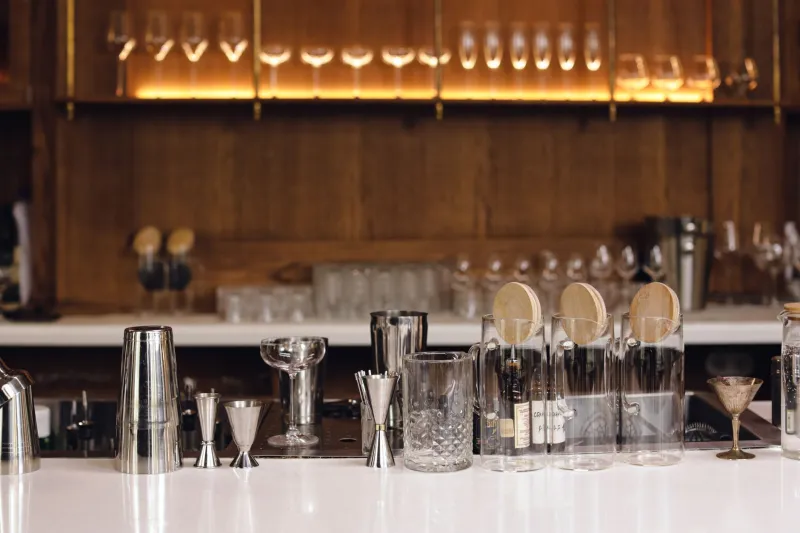
Let's be honest — most of us building out a home bar obsess over the bottle lineup. We research distilleries, compare tasting notes, and hunt down small-batch releases. Then we pour a carefully crafted cocktail into whatever glass happens to be clean and wonder why it doesn't quite land the way it does at a great bar.
Here's the thing: glassware isn't just a vessel. It's a functional part of the drink itself. The shape influences how aromas reach your nose, how quickly the liquid warms, how the ice behaves, and even how your first sip hits your palate. Bartenders have known this for a long time. Most home setups, though, treat glassware as an afterthought — and it shows.
You don't need a cabinet stuffed with 20 different glass types. But you do need the right six. Get these in your home bar and you'll cover virtually every cocktail category without compromise.
Why Glass Shape Isn't Just About Looks
Before we get into the specific glasses, it's worth understanding the mechanics at play. Three factors are most affected by your choice of vessel: aroma delivery, temperature retention, and dilution rate.
Aroma is huge. A significant portion of what we experience as flavor actually comes through smell. A glass with a narrow, tapered opening concentrates volatile aromatic compounds and funnels them toward your nose as you drink. A wide-mouthed glass lets those aromas dissipate into the air before they reach you. That's not a small difference — it can completely change how complex or flat a drink tastes.
Temperature matters just as much. Stemmed glasses exist for a reason: your hand doesn't touch the bowl, so body heat doesn't transfer into the drink. For cold cocktails served without ice, that's the difference between a properly chilled Martini and a lukewarm disappointment. Rocks glasses, by contrast, are thick and wide — designed to hold ice comfortably and insulate against rapid melt.
Dilution ties into glass volume and shape. A drink served in an oversized glass with too little ice melts fast and waters down. The right glass keeps proportions in check.
With that framework in mind, here are the six glasses that do the heavy lifting.
1. The Coupe
If you only buy one cocktail-specific glass, make it the coupe. This shallow, stemmed bowl has quietly replaced the classic V-shaped cocktail glass as the go-to for stirred and shaken drinks served up — meaning without ice. Think Manhattans, Daiquiris, Sidecars, and the Gimlet.
The rounded bowl shape is more forgiving than the sharp-angled Martini glass (less spillage, for one thing), and the stem keeps your hand from warming the drink. The moderate opening lets aromas concentrate without completely bottling them up. A good set of coupes — 5 to 6 oz is the sweet spot — will handle a huge swath of classic cocktails with elegance.
2. The Rocks Glass (Old Fashioned Glass)
Short, sturdy, and wide-mouthed, the rocks glass is built for spirit-forward drinks served over ice. The Old Fashioned is the obvious namesake, but this glass also works for Negronis, Whiskey Sours on the rocks, Scotch neat, and any spirit you want to sip slowly.
The wide opening is actually intentional here — it lets the aroma of the spirit breathe and invites you to nose the drink before sipping, the same way you would a wine. Look for a heavy-bottomed style; it feels substantial in hand and holds up to muddling if needed.
3. The Highball Glass
Tall, straight-sided, and simple. The highball glass is your workhorse for long drinks built over ice with a carbonated mixer — think Gin and Tonic, Whiskey Highball, Paloma, Moscow Mule (if you're not using a copper mug), and the Tom Collins.
The height matters because it maintains carbonation longer than a shorter, wider glass would. More surface area means faster CO2 escape. A 10 to 12 oz highball keeps your bubbles alive longer and gives you room for a generous pour plus plenty of ice. This is the glass your guests will reach for most on a warm summer evening.
4. The Nick & Nora Glass
Think of the Nick & Nora as the coupe's more refined sibling. It's stemmed like a coupe but has a taller, more tulip-shaped bowl that tapers slightly at the rim. This narrower opening is the key difference — it concentrates aromas even more effectively, making it ideal for spirit-forward stirred cocktails where subtlety matters.
A well-made Martini, a Vieux Carré, or a Last Word served in a Nick & Nora feels like a completely different experience than the same drink in a standard coupe. The glass signals to your nose that something nuanced is coming, and your palate follows. It's a small upgrade with a noticeable payoff.
5. The Wine Glass
Yes, a standard wine glass belongs in your cocktail arsenal. Beyond the obvious — wine — it's the right choice for spritzes like the Aperol Spritz, wine-based cocktails, and even some creative large-format drinks. The tulip shape captures aroma beautifully, and the stem keeps temperature stable.
You don't need anything fancy here. A set of versatile, medium-bodied all-purpose wine glasses covers both red and white, and doubles as a cocktail vessel when the occasion calls for it. This is one glass that genuinely pulls double duty without compromise.
6. The Mule Mug (Copper Mug)
This one's a bit more specialized, but the Moscow Mule has earned its place as a genuine American classic — and the copper mug is non-negotiable for the full experience. Copper conducts cold exceptionally well, chilling the entire exterior of the mug and keeping your drink ice-cold from first sip to last.
Beyond the Moscow Mule, copper mugs work well for any ginger beer-based drink or dark and stormy variation. They're also a conversation starter when you're hosting, which counts for something. Just make sure you're buying food-safe copper mugs lined on the inside — pure unlined copper can react with acidic ingredients.
Building Your Set Without Overspending
You don't need to buy everything at once. If you're starting from scratch, prioritize the rocks glass and highball first — they cover the most ground for everyday drinking. Add a set of coupes next for cocktail parties and shaken or stirred classics. Then layer in the Nick & Nora, wine glasses, and mule mugs as your bar matures.
Four of each style is usually plenty for home entertaining. Eight of your most-used glasses (rocks and highballs) makes sense if you regularly host larger groups.
Brands like Libbey and Riedel offer solid options at very different price points, and both are widely available across the US — from Target to specialty kitchen stores. You don't have to spend a fortune, but avoid the very cheapest options, which tend to be too thin and feel cheap in hand.
The Takeaway
Your spirits deserve better than the wrong glass. The good news is that fixing this gap in your home bar setup doesn't require a major overhaul — just six thoughtful additions that cover virtually every pour you'll ever make. Once you experience the difference a properly matched glass makes, you'll wonder why it took you this long to pay attention.
Craft the perfect pour. Then serve it the right way.