Bitter Is Better: How Amaro Can Completely Change Your Home Bar Game
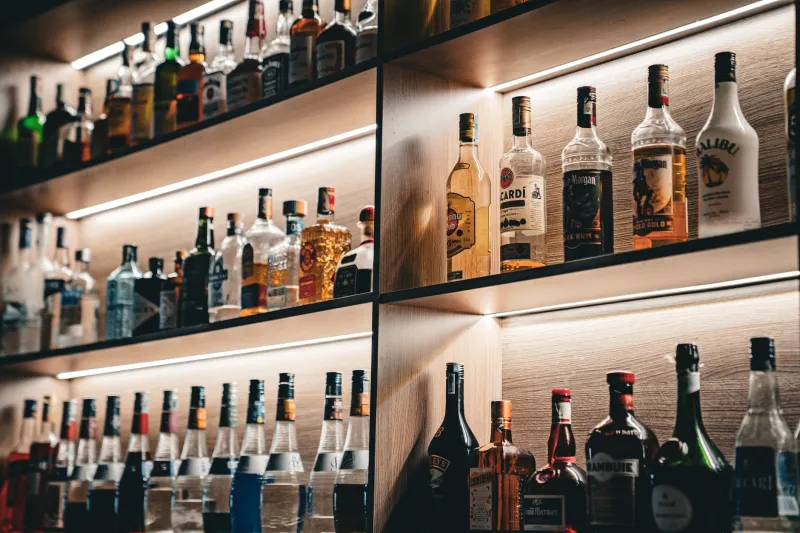
Walk into any serious cocktail bar in New York, Chicago, or Portland right now and you'll find a back bar lined with amber and dark green bottles, their labels covered in old-world script and mysterious botanical illustrations. That's amaro country — and if your home bar doesn't have at least one of those bottles yet, you're leaving some serious flavor on the table.
Amaro (the plural is amari, if you want to sound like you know what you're talking about) is a category of Italian herbal liqueurs that's been around for centuries, originally sold as medicinal tonics and digestive aids. Today, it's one of the most dynamic and genuinely exciting spirits categories in the American market. Yet for most home bartenders, it still gets treated like a specialty item — something you order at a restaurant but never think to stock at home.
That's a mistake worth correcting. Here's everything you need to know.
What Amaro Actually Is (And Why the Range Is So Wild)
At its core, amaro is a bittersweet liqueur made by macerating a blend of herbs, roots, flowers, citrus peel, and spices in a neutral spirit or wine base, then sweetening the result and often aging it. The exact recipe varies wildly by producer — and that's exactly what makes the category so interesting.
Think of amaro less like a single spirit and more like a flavor spectrum. On one end, you've got light, citrus-forward styles that are almost approachable enough to sip like lemonade. On the other end, there are intensely bitter, almost medicinal bottles that taste like a forest floor in the best possible way. Most fall somewhere in between, layering flavors of caramel, chocolate, mint, anise, gentian root, alpine herbs, and citrus peel in combinations that no other spirit category can quite match.
Here's a rough breakdown of the main styles:
- Light and citrusy — Think Aperol or Campari. These are technically in the amaro family, bright and accessible, and most Americans have already met them through a Spritz or a Negroni.
- Alpine/herbal — Bottles like Braulio or Amaro Pasubio lean into mountain herbs and a clean, almost minty bitterness. Great for stirred cocktails.
- Medium-bodied and versatile — This is where a lot of the best gateway amari live. Averna, Ramazzotti, and Montenegro all offer that classic bittersweet balance with notes of caramel, vanilla, and dried fruit that play well with almost everything.
- Dark and intense — Fernet-Branca is the most famous example. Bracingly bitter, mentholated, complex. A little goes a long way, and it will absolutely polarize your guests.
The Bottles Worth Buying Right Now
You don't need to become a collector to get serious value out of amaro. One or two well-chosen bottles can genuinely expand what you're capable of behind your home bar.
Best starter bottle: Averna Amaro (~$28) This Sicilian classic is the one to start with. It's smooth, slightly sweet, and loaded with caramel and citrus notes that make it incredibly easy to work with. Sip it on ice, swap it into a Manhattan, or just add a splash to your morning espresso if you're feeling bold.
Best mid-range pick: Amaro Montenegro (~$35) Montenegro has a devoted following among bartenders for good reason. It's lighter and more floral than Averna, with a complexity that punches well above its price point. It's especially good in lighter, spirit-forward cocktails.
Best splurge: Amaro Nonino Quintessentia (~$55) Made on a grappa base in Friuli, Nonino is the one that tends to convert skeptics. It's silky, nuanced, and genuinely elegant — the kind of bottle that earns a permanent spot on your shelf after the first pour.
For the adventurous: Fernet-Branca (~$30) Not for everyone, but if you want to understand the full range of what amaro can be, Fernet earns its place. Use it sparingly as a modifier and it adds a complexity that's hard to replicate any other way.
Three Recipes That Show What Amaro Can Really Do
The Black Manhattan
This is the easiest entry point if you already love a classic Manhattan. Swap the sweet vermouth for Averna and you get something richer, more complex, and genuinely different — without having to change much else.
Ingredients:
- 2 oz rye whiskey
- 1 oz Averna Amaro
- 2 dashes Angostura bitters
- Luxardo cherry for garnish
Method: Combine all ingredients in a mixing glass with ice. Stir for about 30 seconds until well chilled. Strain into a chilled coupe or rocks glass. Garnish with a cherry.
Why it works: The caramel and herbal notes in Averna echo the spice in rye whiskey, creating a drink that feels familiar but tastes like something you've never had before.
The Montenegro Mule
Forget the standard vodka mule for a second. Adding Montenegro to the equation brings in herbal complexity that ginger beer alone can't touch.
Ingredients:
- 1.5 oz vodka
- 0.75 oz Amaro Montenegro
- 0.5 oz fresh lime juice
- 4 oz ginger beer
- Lime wheel and fresh mint for garnish
Method: Build in a copper mug or tall glass over ice. Add vodka, Montenegro, and lime juice. Top with ginger beer and give it a gentle stir. Garnish with mint and a lime wheel.
Why it works: Montenegro's floral, slightly bitter notes cut through the sweetness of ginger beer perfectly, adding a layer of depth that makes this version feel like a serious cocktail rather than just a mixer situation.
The Fernet Flip
This one's for the guests who want something they've never tried before. A flip uses a whole egg to create a rich, frothy texture that actually tames Fernet's intensity into something surprisingly drinkable.
Ingredients:
- 1 oz Fernet-Branca
- 1 oz bourbon
- 0.5 oz simple syrup
- 1 whole egg
- Freshly grated nutmeg for garnish
Method: Combine all ingredients in a shaker without ice and shake hard for 15 seconds (this is the "dry shake" that builds the foam). Add ice and shake again for another 15 seconds. Double strain into a chilled coupe. Grate fresh nutmeg over the top.
Why it works: The egg rounds out Fernet's sharp edges while the bourbon adds warmth. The result is creamy, complex, and deeply satisfying — one of those cocktails that makes people stop mid-sip and ask what's in it.
A Few Tips Before You Start Pouring
Amaro is more forgiving than most spirits when it comes to storage — it's shelf-stable and won't go off quickly once opened. But a few things are worth knowing:
- Start with a small pour. Especially with the more bitter styles, your palate needs a moment to adjust. A half-ounce in a cocktail is often enough to make a real impact.
- Temperature matters. Most amari show their best character either at room temperature or slightly chilled — over ice is great, but avoid drowning them in a blender situation.
- Trust the bitterness. American palates are trained toward sweetness, so the first sip of a new amaro might feel like a lot. Give it a minute. The bitterness is the point, and it's what makes these spirits so food-and-cocktail-friendly.
Amaro isn't a trend that's going away. It's a centuries-old tradition that just happened to find its American moment — and your home bar is a better place with at least one bottle on the shelf.