Shake, Stir, Muddle, Strain, Layer: The Five Skills That Turn Home Bartenders Into the Real Deal
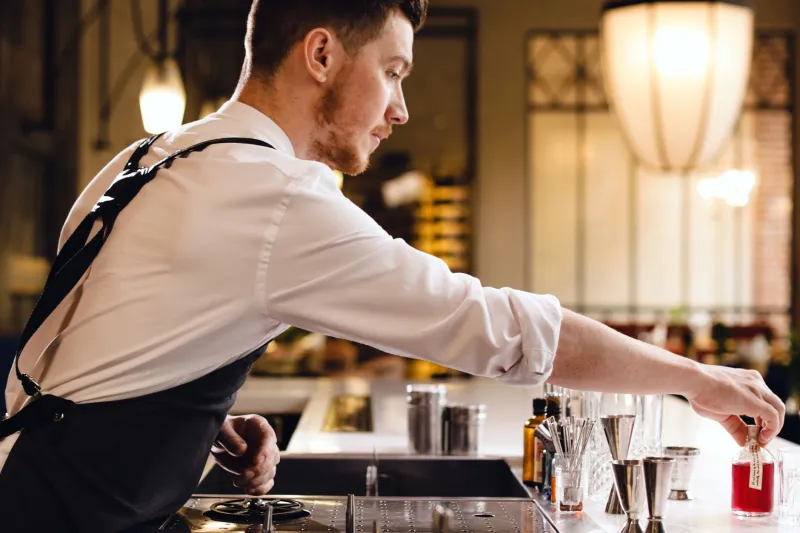
Here's something nobody tells you when you first start stocking your home bar: buying great bottles is the easy part. You can spend a Saturday afternoon curating a beautiful lineup of premium spirits, quality liqueurs, and interesting bitters — and then completely undermine all of it by not knowing what to do once they're in front of you.
Technique is the thing that separates a drink that tastes expensive from one that just costs a lot. The good news? You don't need years behind a bar to get it right. You need to understand five core methods, why they exist, and how to stop making the mistakes that quietly ruin otherwise solid cocktails.
Let's get into it.
1. Stirring: The Technique That's All About Respect
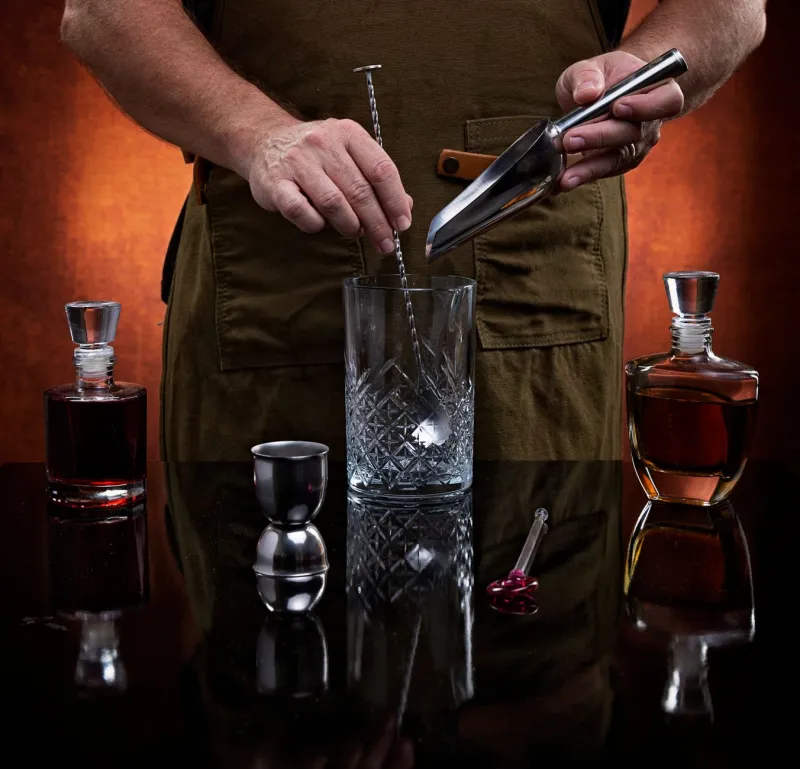
Stirring a cocktail sounds almost too simple to be worth discussing. It's not. Stirring is the correct method for spirit-forward drinks — think Manhattans, Negronis, Old Fashioneds — where you want dilution and chill without introducing air bubbles or cloudiness. When you stir, you're gently coaxing ingredients together while slowly melting ice to soften and integrate the flavors.
The common mistake: stirring too fast, too short, or with bad ice. A proper stir takes 30 to 45 seconds of smooth, circular motion with a bar spoon — long enough to bring the drink down to the right temperature and dilute it by roughly 20 to 25 percent (yes, that dilution is intentional and necessary). Choppy, aggressive stirring introduces tiny air bubbles that cloud the drink and change its texture.
Use large, dense ice cubes for stirring. Smaller cubes melt too fast and over-dilute before you've finished. And hold the bar spoon loosely between your fingers — let it spin naturally rather than gripping it like a weapon.
2. Shaking: More Violent Than It Looks, More Precise Than You'd Think
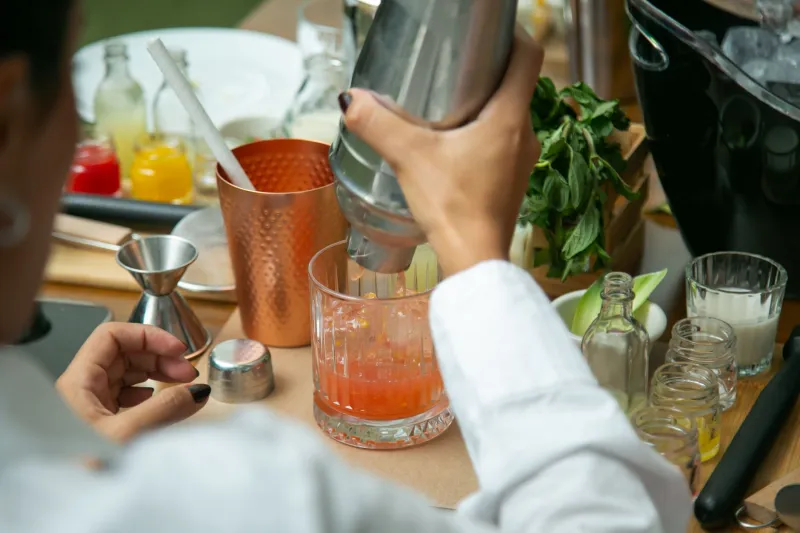
Shaking is for cocktails that include citrus juice, egg whites, cream, or any other ingredient that needs to be fully emulsified with the spirit. The Manhattan gets stirred. The Daiquiri gets shaken. The reason isn't arbitrary — shaking aerates the drink, creates a slightly frothy texture, and chills it faster and more aggressively than stirring does.
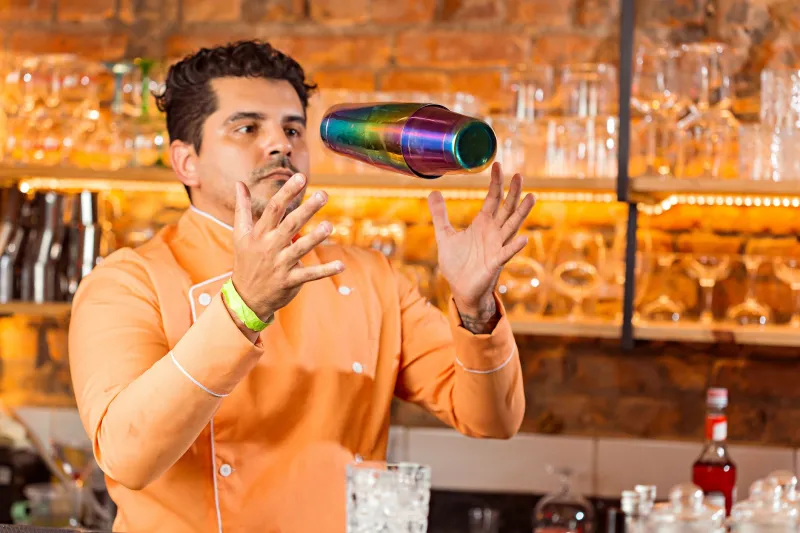
The most common mistake home bartenders make? Not shaking hard enough or long enough. A proper shake is 10 to 15 seconds of real effort — the kind where the tin gets genuinely cold and frost starts forming on the outside. That's how you know the drink is properly chilled.
A few other things worth knowing: always shake with ice, not without (unless a recipe specifically calls for a dry shake first, which is a technique for egg white cocktails). Make sure your shaker is sealed before you start — a cocktail to the ceiling is funny once. And after shaking, strain immediately. Letting a shaken drink sit on ice in the tin dilutes it further while you're fussing with the glass.
3. Muddling: Gentle Persuasion, Not a Demolition Job
Muddling is how you extract flavor from fresh ingredients — herbs, citrus peels, or fruit — directly in the glass or mixing tin. The classic example is the Mojito, where you muddle mint and lime to release the essential oils and juice before building the rest of the drink.
Here's where most people go wrong: they treat the muddler like a jackhammer. Over-muddling mint, for example, tears the leaves and releases chlorophyll, which turns your drink bitter and green-tinged. You're not trying to pulverize anything — you're pressing gently to coax out the good stuff. Five or six firm presses is usually enough for herbs. Citrus can take a little more pressure since you're working through the flesh.
Also, not all ingredients should be muddled in the glass. If you're making a batch or a drink that gets shaken, muddle in the tin. And invest in a flat-bottomed wooden or stainless muddler rather than one with teeth — the serrated ones shred herbs and make a mess of everything.
4. Straining: The Step That Makes the Drink Look Like a Drink
Straining sounds like a formality. It isn't. How you strain a cocktail affects its texture, clarity, and whether your guest ends up chewing on ice chips or mint fragments.
There are two main tools here: the Hawthorne strainer (the one with the coiled spring) fits over a shaker tin and catches large ice pieces, while the fine mesh strainer — used in combination, a technique called double-straining — catches the smaller ice shards and herb bits that slip through the coil. Double-straining is especially important for shaken drinks served up (without ice in the glass) because you want a clean, smooth pour.
For stirred drinks poured over ice, a julep strainer dropped into the mixing glass works well and looks great. The mistake to avoid: using only the Hawthorne strainer for a shaken citrus cocktail and then wondering why the texture feels slightly gritty. Double-strain it. The difference is immediately noticeable.
5. Layering: Patience Rewarded in the Glass
Layering is the most visually dramatic of the five techniques and also the one that requires the most patience — which is probably why so many home bartenders skip it or do it sloppily. The goal is to float one ingredient on top of another, creating distinct visual bands in the glass. Think of a Pousse-Café or the cream float on an Irish Coffee.
The science is straightforward: liquids with different densities will sit on top of one another if introduced carefully enough. The denser ingredient goes in first, the lighter one gets floated on top. The method: pour the lighter ingredient slowly over the back of a spoon held just above the surface of the drink. The spoon disperses the flow and prevents the new liquid from sinking and mixing.
The mistake is rushing it. If you pour too fast or hold the spoon too high above the surface, the layers blend together and you lose the effect entirely. It takes maybe 20 extra seconds to do it right, and the visual payoff — especially for something like an Irish Coffee with that perfect cream float — is absolutely worth it.
Why All Five Matter Together
These techniques aren't interchangeable. Each one exists because of a specific chemistry happening inside the glass. Stirring preserves clarity and silkiness. Shaking creates aeration and emulsification. Muddling releases volatile aromatics without bitterness. Straining controls texture and presentation. Layering adds drama and visual storytelling to the pour.
When you understand why each method exists, you stop second-guessing which one to use. You look at a recipe, see the ingredients, and know instinctively how to approach it. That's when home bartending stops feeling like following instructions and starts feeling like actual craft.
Master these five, and you'll notice it in every single drink you make — and more importantly, so will everyone you pour for.