Stop Ignoring That Bottle in the Back: Dry Vermouth Is the Most Underrated Spirit on Your Shelf
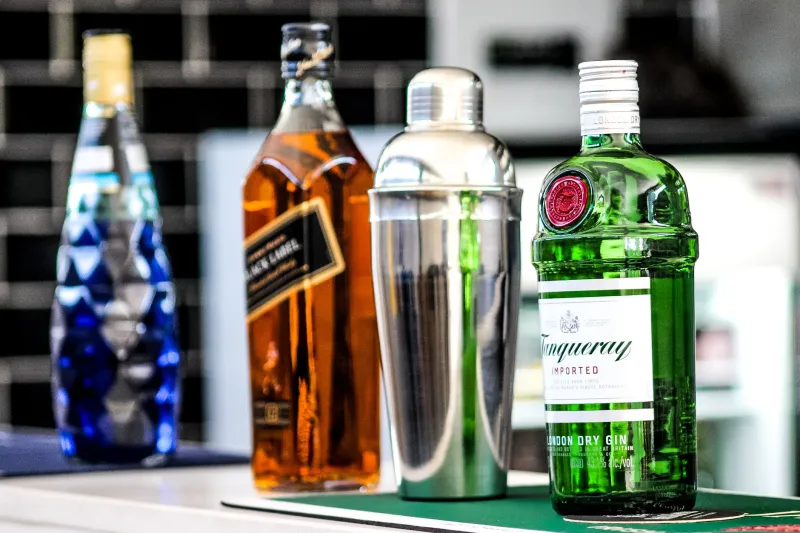
There's a good chance you have a bottle of dry vermouth somewhere in your home bar right now. Maybe it was picked up for a dinner party martini situation, maybe it came in a gift set. Either way, there's also a decent chance that bottle has been sitting there for six months, slowly oxidizing into something that tastes more like white wine vinegar than the elegant, herb-kissed fortified wine it was meant to be.
That's the dirty little secret of vermouth in American homes: we buy it, we forget it, and then we wonder why our cocktails taste off. The problem isn't the vermouth. The problem is how we've been treating it.
Let's fix that — because once you start working with fresh, properly stored dry vermouth, you're going to wonder how you ever built cocktails without it.
What Dry Vermouth Actually Is (And Why It's Genuinely Special)
Vermouth is a fortified, aromatized wine — meaning it starts as a base wine that gets bumped up in alcohol with a neutral spirit, then infused with a blend of botanicals. The exact botanical recipes vary by producer and are often closely guarded, but you're typically looking at combinations of herbs, roots, citrus peel, and flowers. Dry vermouth (also called French-style vermouth, though it's made worldwide) leans floral, herbal, and lightly bitter, with a crisp, low-sugar profile.
That complexity is exactly what makes it so useful behind the bar. You're not just adding alcohol — you're adding layers of flavor that can soften a spirit's edges, add aromatic depth, or bridge ingredients that might otherwise feel disconnected.
The Storage Problem Nobody Talks About
Here's where most home bartenders go wrong: vermouth is wine. It behaves like wine. Once you open that bottle, oxidation starts immediately, and within a few weeks at room temperature, you've got something that belongs in a salad dressing, not a cocktail glass.
The rules are simple but non-negotiable:
Refrigerate after opening. Always. No exceptions. Treat it exactly like an open bottle of white wine — because that's essentially what it is.
Use it within four to six weeks. Some bottles can push to eight weeks in the fridge, but the flavor starts declining around the one-month mark. When in doubt, taste it before you pour it.
Buy smaller bottles more often. The 375ml size is your friend. Yes, the 750ml might feel like a better deal, but not if half of it goes down the drain because you couldn't use it in time.
Keep it away from heat and light. Even before opening, store vermouth somewhere cool and dark. The cabinet above the stove? Not ideal.
Fresh vermouth tastes bright, floral, and complex. Old, oxidized vermouth tastes flat and sour. If your martinis have been disappointing lately, this is probably why.
Beyond the Martini: Where Dry Vermouth Actually Shines
The martini gets all the glory, but dry vermouth earns its keep across a much wider range of drinks. Once you have a fresh bottle in the fridge, here's where to start exploring:
The Fifty-Fifty Martini — Split gin and dry vermouth equally (1.5 oz each), stir with ice, strain, garnish with a lemon twist. This drink is a revelation for anyone who's only had spirit-forward martinis. The vermouth isn't a whisper here — it's half the glass, and that's the whole point. The botanical complexity it brings is front and center.
The Bamboo — Equal parts dry vermouth and dry fino sherry, stirred with a couple dashes of orange bitters. Low-ABV, endlessly sophisticated, and something you can sip through an entire dinner party without feeling it the next morning. This one tends to convert skeptics fast.
The Tuxedo — A gin martini variation with a small float of maraschino liqueur and a dash of absinthe. Dry vermouth plays a structural role here, keeping the drink from going too sweet or too anise-forward. It's the balancing act.
Spritz variations — Mix dry vermouth with sparkling water and a lemon wedge over ice for a low-effort aperitivo that beats a lot of more complicated drinks. Add a splash of Campari if you want a little bitterness in the mix.
In cooking and as a rinse — This isn't strictly a cocktail application, but a vermouth-rinsed glass (swirl a small pour around the inside, dump it, then add your spirit) adds a subtle herbal note to any stirred drink without committing to a full pour.
Picking the Right Bottle at Every Budget
The good news: you don't have to spend a lot to get excellent dry vermouth. The US market has solid options at every price point.
Entry-level (under $12): Martini & Rossi Extra Dry is widely available at most grocery stores and liquor shops across the country. It's not the most complex bottle on the shelf, but it's clean, reliable, and totally respectable in a mixed drink. Great for experimenting without commitment.
Mid-range ($12–$20): Dolin Dry from France is the standard recommendation for a reason — it's floral, delicate, and genuinely food-friendly. Noilly Prat Extra Dry is another strong contender with a slightly more oxidative, nutty character that works beautifully in savory applications. Either of these will make a noticeable difference in your martinis.
Premium ($20 and up): Ransom Dry Vermouth from Oregon is worth tracking down if you want something made closer to home with serious craft behind it. Mancino Secco from Italy brings a more intense botanical profile that holds up well in spirit-forward builds. If you're hosting and want to impress, these are the bottles to reach for.
One practical note: check the production date if it's visible on the bottle. Fresher is always better with vermouth, and some specialty retailers are more diligent about stock rotation than big box liquor chains.
Making It a Staple, Not an Afterthought
The shift in how you think about dry vermouth is pretty simple. Stop treating it like a modifier you add reluctantly, and start treating it like the ingredient it is — one with its own flavor profile, its own quality spectrum, and its own storage needs.
Keep a fresh 375ml bottle in the fridge. Taste it before you use it. Buy another one when it's been open for a month. That's genuinely all it takes to go from mediocre martinis to drinks that actually taste like you know what you're doing.
The bottle's been sitting in the back of your cabinet long enough. Time to move it to the front.