Splurge Smart: Which Bottles Deserve Your Money and Which Ones Don't
Splurge Smart: Which Bottles Deserve Your Money and Which Ones Don't
Building a home bar is a little like furnishing an apartment — you don't need to go designer on every single piece, but cutting corners in the wrong places will absolutely show. The same logic applies to spirits. Buy cheap when it doesn't matter, and spend up when it genuinely does. The trick, of course, is knowing which is which.
After a lot of pours, a lot of taste tests, and more than a few regrettable impulse buys, here's the honest breakdown: five categories where the well bottle is your best friend, and five where spending a little more is worth every single cent.
The Five You Can Buy Well (And Nobody Will Know)
1. Vodka in Mixed Cocktails
Let's just say it plainly: if your vodka is going into a Moscow Mule, a Bloody Mary, or anything with more than two other ingredients, the difference between a $12 handle and a $45 bottle is almost entirely in your head. Vodka is, by definition, a neutral spirit — it's supposed to taste like as little as possible. When citrus, ginger beer, or tomato juice is doing the heavy lifting, premium vodka is basically invisible. Spend your vodka money on quality mixers instead.
2. Blended Whiskey for Punches and Batch Cocktails
If you're making a big-batch whiskey punch for a party — the kind that sits in a bowl with citrus wheels and feeds 20 people — a mid-range blended American or Canadian whiskey is absolutely the right call. Punches are designed to blend flavors, and those subtle nuances in a high-end single barrel are going to get completely buried under lemon juice, honey syrup, and sparkling water. Save the good stuff for sipping.
3. Silver Tequila for Margaritas
A solid blanco tequila in the $20–$30 range makes an excellent margarita. Full stop. The lime juice and triple sec in the recipe are doing so much flavor work that you'd be hard-pressed to justify doubling your spend. Look for 100% agave on the label — that matters way more than the price tag — and you're golden. Reserve the premium añejos for sipping neat.
4. Dry Gin for Gin and Tonics and Sours
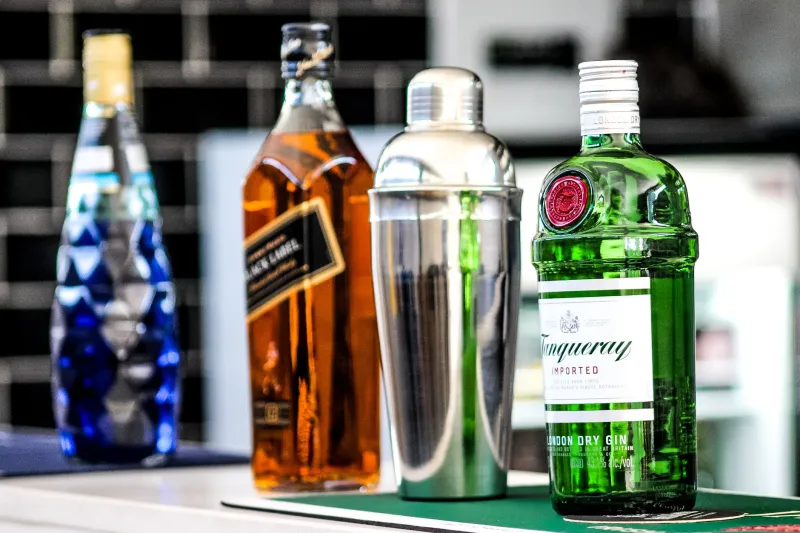
This one surprises people, but hear it out. A well-made mid-range London Dry gin — something in the $18–$28 range — holds up beautifully in a classic G&T or a gin sour. The botanical profile is still there, it still tastes like gin, and the tonic water or citrus element will complement it just fine. You don't need to reach for the $55 small-batch bottle when you're mixing. Save those artisanal expressions for a martini, where they actually get to shine.
5. Triple Sec and Orange Liqueur
Cointreau is great. It really is. But for most cocktail applications — margaritas, sidecars, cosmopolitans — a solid mid-range triple sec gets the job done without the premium price. If you're going through orange liqueur quickly (which you will once you start making margaritas regularly), buying well here frees up budget for spirits that actually make a bigger difference on the palate.
The Five Worth Every Extra Dollar
1. Aged Rum for Sipping and Spirit-Forward Cocktails
This is where the jump in quality becomes undeniable. A well-aged rum — something that's spent serious time in oak — develops layers of vanilla, caramel, dried fruit, and spice that a cheap bottle simply cannot replicate. In a rum Old Fashioned or a Jungle Bird, those flavors are front and center. And if you ever want to sip rum neat (and once you try a quality aged expression, you will), the difference between $15 and $45 is enormous.
2. Single Malt Scotch
Scotch is one of those categories where terroir, distillery character, and aging genuinely matter in ways you can taste. The peat, the coastal brine, the specific sweetness of a Speyside malt — these aren't marketing buzzwords. They're real, detectable qualities that cheap blends can't fully deliver. If Scotch is your thing, this is the one category where the extra spend transforms the whole experience. Even one nice bottle of single malt elevates your entire bar.
3. Bourbon for Neat Pours and Minimalist Cocktails
A well-chosen mid-to-premium bourbon — think something in the $35–$60 range from a respected distillery — is a genuinely different product from budget-tier options. When you're making a Manhattan or an Old Fashioned where the whiskey is the entire point of the drink, quality matters enormously. The grain bill, the barrel char level, the years of aging — all of it shows up in the glass. Don't cheap out on the bottle you're going to feature.
4. Mezcal
Mezcal production is labor-intensive, small-batch, and deeply tied to specific agave varieties and regional traditions. That complexity is exactly why the cheap stuff often tastes flat or harsh by comparison. A quality mezcal — even a relatively accessible one in the $45–$60 range — brings smoke, earthiness, and a kind of depth that's genuinely hard to find elsewhere. Used in a Mezcal Negroni or a Oaxacan Old Fashioned, it's the whole reason the drink works.
5. Amaro and Italian Liqueurs
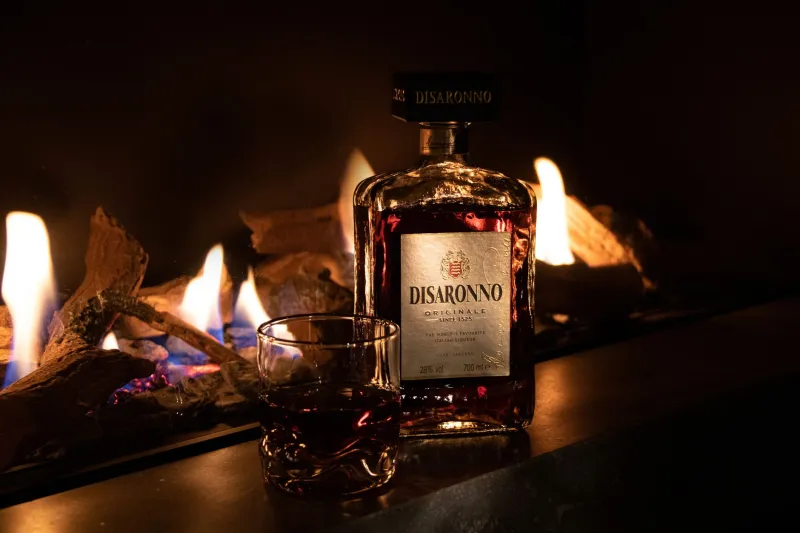
This might be the most overlooked category on this list. Campari is a great example: there's really no substitute that performs the same way in a Negroni or a Spritz. Same goes for quality amaro expressions — the herbal complexity, the bittersweet balance, the finish — these are the result of proprietary recipes and quality ingredients that budget alternatives can't match. When a spirit is the defining flavor of a cocktail, you can't afford to go cheap.
The Bigger Picture: Budget Like a Bartender
Professional bartenders think about this stuff constantly. They know which bottles are going into a shaken cocktail with five other ingredients and which ones are getting poured over a single large ice cube in front of a guest who's paying attention. The logic translates perfectly to your home bar.
A useful rule of thumb: if the spirit is going to be diluted, shaken, or mixed with strong flavors, well is almost always fine. If it's the star of the show — sipped neat, featured in a two-ingredient drink, or served to guests who actually know their stuff — that's when the upgrade pays off.
You don't need a $500 bar to impress people. You need a smart $200 bar where the money went to exactly the right places. Allocate thoughtfully, taste critically, and your home bar will punch well above its weight every single time.